IPTV for Dental Practices: How Live Sports in Your Waiting Room Turns Anxious Patients Into Relaxed Ones (USA Guide)
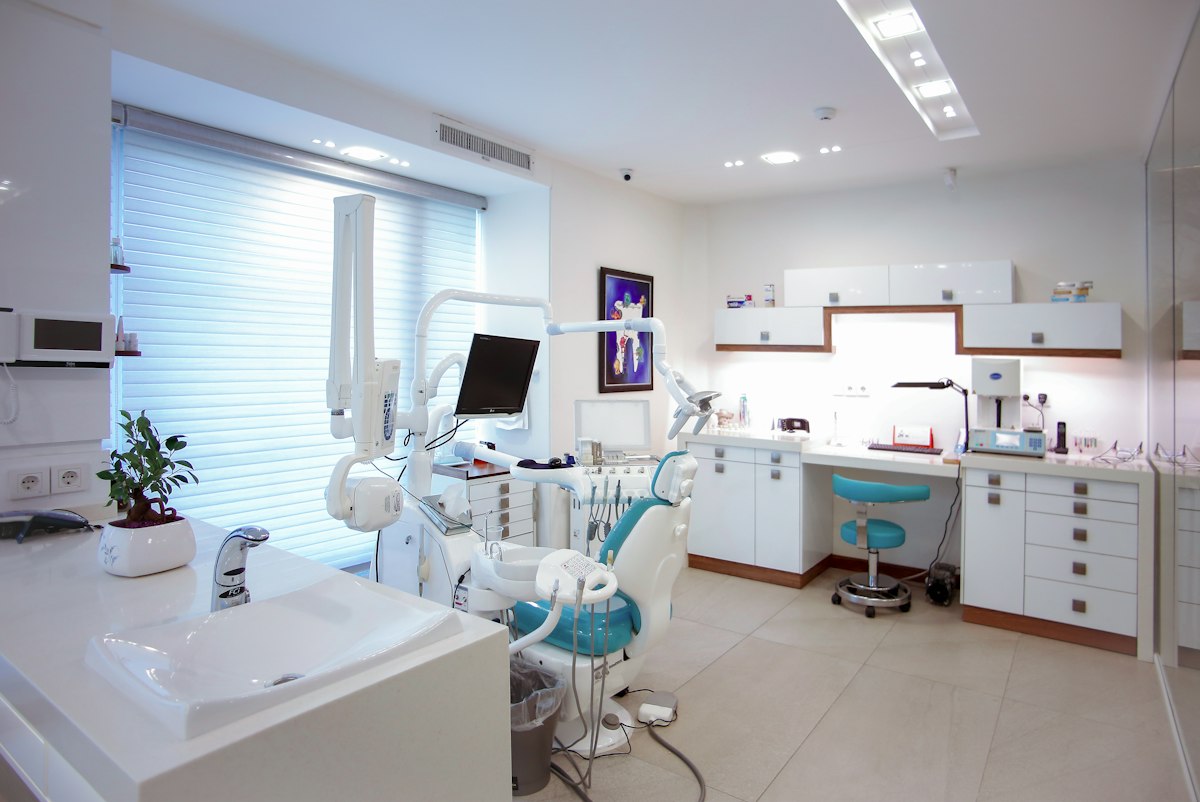
Every dentist knows the scene. A patient walks in ten minutes early, sits down in the waiting room, and immediately starts checking the clock. The drill is humming somewhere behind the door. The smell of clove oil is in the air. Anxiety rises. Now imagine the same patient walking in, glancing at the screen, and catching the final minutes of a Champions League match or a fourth-quarter NBA comeback. Shoulders drop. Breathing slows. The wait suddenly feels like five minutes instead of forty.
That is the real, practical, and surprisingly powerful role that sports-focused IPTV is playing in dental offices across the United States right now. It is not a gimmick. It is patient experience management with a remote control. And for clinic owners in the USA, it is one of the cheapest, highest-impact upgrades you can make to your practice this year.
In this guide, we look at IPTV specifically through the lens of dentistry — the waiting room, the patient's state of mind, the front-desk workflow, and the setup practicalities — while showing you why the best IPTV service for live sports is currently coming out of an unexpected place: the tango tradition of Buenos Aires.
What Is IPTV and How Does It Transform Live TV in a Dental Setting?
IPTV stands for Internet Protocol Television. Instead of receiving channels through a coaxial cable, a satellite dish, or a bulky cable box, IPTV streams television content over your existing internet connection — the same broadband your practice already uses for your practice management software and digital X-ray uploads.
For a dental clinic, that distinction matters more than it sounds:
- No cable technician, no drilling into walls. Your IT setup stays clean and your operatories stay untouched.
- No annual contract. You can start, pause, or stop whenever you want — ideal for practices that operate seasonally or are still testing the idea.
- Instant channel changes. No waiting for a cable box to reboot while a patient stares at a frozen screen.
- Full HD and 4K quality. Modern IPTV delivers 4K at 50FPS, which means a football match looks genuinely cinematic on a wall-mounted waiting room TV.
The practical difference between traditional cable and IPTV in a healthcare waiting area comes down to three things: content variety, cost predictability, and responsiveness. Cable bundles in the US routinely cost $80–$150 per month and still force you into packages you never watch. A dedicated IPTV subscription delivers tens of thousands of channels and on-demand titles for a fraction of that, with none of the multi-year commitments.
The Thematic Bridge: How IPTV Improves the Patient Experience in Dental Clinics
Here is where dentistry and streaming television intersect in a way that is genuinely useful — not just decorative.
1. Live Sports Is the Most Effective Waiting Room Distraction Available
Dental anxiety is one of the most well-documented barriers to routine care. Patients delay appointments, cancel, and no-show — and the waiting room is often where that anxiety peaks. Studies on environmental distraction consistently show that engaging, dynamic visual content reduces perceived waiting time and lowers reported stress levels.
Streaming a sitcom or a news channel helps a little. Streaming a live match where the score can change at any second helps a lot. Live sports captures attention in a way that prerecorded programming simply cannot, because the viewer has a real stake in not looking away.
A simple protocol many US practices now use:
- Reception screen: live sports during peak hours (evenings, Saturdays).
- Operatory ceiling screen: calm content — nature, cooking, or a neutral channel — for the patient in the chair.
- Second screen: family-friendly cartoons or a Spanish-language channel for the pediatric and bilingual waiting areas.
The ability to run two simultaneous screens on one subscription is exactly why sports-heavy IPTV packages, like the one offered by RasFox IPTV, fit dental offices so well. One feed for the waiting room, one for the operatory, one bill.
2. It Cuts Your Monthly Overhead Instead of Adding to It
Every dental practice is watching overhead. Staffing, supplies, lab fees, software subscriptions, and equipment financing all compete for the same revenue. A waiting room TV should not be one of the expensive line items.
An IPTV subscription typically costs less than a single cable package — and it replaces that cable package rather than adding to it. If your practice is still paying for a business cable bundle purely to keep a screen on, the math is straightforward: you are paying premium prices for a fraction of the content.
And because these services operate on a no-contract model, you can test the waters risk-free. A 24-hour free trial is enough to run one full clinic day with live sports on the waiting room screen and see exactly how patients respond.
3. It Works for Patients at Home, Too — Especially After Procedures
Dental practices do not only influence what happens inside the clinic. Post-operative instructions matter: rest, soft foods, ice packs, and avoid strenuous activity. In practice, that means most patients spend the rest of the day on the couch.
For those patients, the ability to watch a match, a fight, or a Formula 1 race without moving or straining is genuinely useful. Many offices now print a small line on their aftercare sheet: "Recovering at home? Here's where you can watch live sports without a cable box." It is a small touch, but patients remember it — and it drives word-of-mouth referrals in exactly the demographic that books cosmetic and orthodontic work.
Deep Dive: The IPTV Landscape in the United States (and Why Sports Fans Are Driving It)
The US is one of the most fragmented sports markets on earth. A single fan may need four or five different streaming apps just to follow their teams. That fragmentation is precisely what has pushed American viewers toward consolidated IPTV services — one app, one remote, everything in one place.
This is where the story behind the provider matters. Radio Malena 89.1 FM, broadcasting from Venezuela 370 in Buenos Aires, spent years as a radio institution rooted in tango, Argentine culture, and live sports commentary. Today that same editorial DNA has moved into IPTV — with a total focus on sports channels and live sports events, built specifically for lusophone and latino communities around the world, and now used by North American households and businesses as well.
That sports-first philosophy shows up in the channel list. For US clinics and their patients, the offering covers both the English-language sports ecosystem and the massive Spanish-language sports audience that many American practices serve:
- US & Worldwide: ESPN, ESPN2, Fox Sports 1, FS2, NBC Sports, CBS Sports, beIN Sports, DAZN, Sky Sports, Eurosport, TNT Sports
- Latino & South American: TyC Sports, ESPN Premium, TNT Sports Argentina, Fox Sports, DirecTV Sports, ESPN Deportes, Fox Deportes, TUDN
- Brazilian (for Portuguese-speaking patients): Globo, SporTV, Premiere, ESPN Brasil, BandSports, Combate
Competition coverage spans the events patients actually care about: Champions League, Premier League, La Liga, Liga Argentina, Brasileirão, Copa Libertadores, Liga MX, Formula 1, and UFC — plus the full North American slate of NBA, NFL, MLB, and MLS coverage carried through the major sports networks.
For a dental practice in Miami, Los Angeles, Houston, Newark, or Boston with a mixed English- and Spanish-speaking patient base, that combination is unusually well-suited. You are not choosing between the football your older patients grew up with and the football their grandchildren watch. The subscription carries both.
Outside of sports, the library is substantial: roughly 12,000 live channels and 40,000 VOD titles, including movies, series, kids' programming, and international news. For a waiting room, the VOD library is the safety net — when the match ends, you switch to a family-friendly film without ever touching a search bar.
Hardware and Setup Guide for Dental Offices in the USA
The barrier to entry is far lower than most practice managers assume. If your office already has business-grade broadband, you are 90% of the way there.
Recommended Setup by Room
- Waiting Room: A 55"–65" 4K Smart TV, or any TV paired with an Amazon Fire TV Stick, Android TV box, or Apple TV. Wired Ethernet is strongly preferred for stability.
- Treatment Room: A smaller 32"–43" screen mounted where the patient can see it while reclined. Ceiling or wall mount, angled toward the chair.
- Front Desk / Break Room: Optional third device — useful for staff, though note that most subscriptions include two simultaneous screens, so plan accordingly.
Internet Speeds You Actually Need
For a single 4K stream, plan on 15–25 Mbps of dedicated bandwidth. Two simultaneous 4K streams: 30–50 Mbps. Almost every US dental practice already exceeds this. The key is to keep the TV traffic on a separate VLAN or guest network so it never competes with your practice management system, cloud imaging, or VoIP phones.
Five-Minute Installation Checklist
- Connect the streaming device to the TV via HDMI.
- Connect the device to your network — Ethernet cable if possible.
- Log in with the credentials provided by your IPTV provider.
- Add the sports channels you want to the favorites list (ESPN, Fox Sports, TyC Sports, etc.).
- Set the TV to power on to the favorites list at opening time using a smart plug or the TV's scheduling feature.
One more thing worth underlining: a quality provider delivers no buffering. That is not marketing language in a clinical setting — it is the difference between a calm waiting room and twelve people staring at a frozen pixelated screen while the receptionist apologizes. A stable, sports-optimized service like RasFox IPTV is designed around exactly that requirement, with servers tuned for live events rather than on-demand playback.
Legal vs. Illegal IPTV: Safety and Best Practices for Healthcare Practices
This section matters more for a dental office than for a private household, because practices carry reputational and regulatory weight that individuals do not.
The landscape in plain terms:
- Fully licensed IPTV services hold distribution rights for the content they carry and operate transparently with published terms, billing, and support.
- Unauthorized services redistribute content without rights, often at suspiciously low prices, with no support, no accountability, and a real risk of sudden shutdown mid-appointment.
For a healthcare practice, the risks of the second category are concrete:
- Business reputation. A clinic streaming pirated content in a public waiting room is a legal and public-relations exposure you never want to explain to a patient.
- Network security. Unverified apps and sideloaded APKs are a common vector for malware. Your network also carries patient scheduling data and, in some configurations, imaging records.
- Instability. Grey-market services go down constantly — precisely during the events your patients most want to watch.
Practical safety rules for dental offices:
- Use a VPN on a separate network segment for all streaming devices — never on the same VLAN as clinical systems.
- Never install sideloaded apps on a device that touches your practice management software.
- Keep streaming hardware on a guest network with its own SSID and password, rotated regularly.
- Choose a provider with clear terms, real customer support, and a trial period you can evaluate before committing.
It is also worth stating plainly: your IPTV setup has nothing to do with patient records. A waiting room TV shows sports, not charts. There is no HIPAA data flowing through the streaming device as long as it stays on an isolated network, which is a five-minute configuration for any competent IT vendor.
The safest path for most practices is the simplest one: work with a provider built specifically around sports delivery, with human support in English, Spanish, and Portuguese, and a risk-free 24-hour trial that lets you verify stability during a real live match before you commit.
Conclusion: A Better Waiting Room Is a Better Practice
Dentistry is a trust business. Patients judge your practice long before they sit in the chair — in the parking lot, at the front desk, and in those first ten minutes in the waiting room. Live sports on a sharp, reliable screen does something remarkably specific: it gives an anxious person something to care about other than the drill.
Sports-focused IPTV from RasFox.com brings together what a modern clinic actually needs: 12,000+ live channels, 40,000+ VOD titles in 4K 50FPS, two simultaneous screens, no buffering, no contract, and a 24-hour free trial — with support available in English, Spanish, and Portuguese. It is a service born in the tango and sports culture of Buenos Aires, built with total focus on live sports, and now used by households and businesses across the United States and beyond.
If your waiting room still runs on a cable bundle nobody watches, the upgrade takes one afternoon and pays for itself in calmer patients, fewer complaints, and a screen that genuinely earns its place on the wall.
Frequently Asked Questions
Is IPTV legal for a dental office to display in the waiting room?
Licensed IPTV services are legal. The requirement is that the provider holds distribution rights for the content it streams. Always verify the provider's terms and avoid grey-market services, which carry legal and security risk that a healthcare practice cannot afford.
Can live sports in the waiting room really reduce patient anxiety?
Yes. Distraction-based interventions are widely used in healthcare waiting areas, and live sports is one of the most attention-capturing forms of content available because the outcome is uncertain in real time. Patients perceive shorter waits and report lower stress.
How many screens can a dental practice run on one IPTV subscription?
RasFox IPTV supports two simultaneous screens per subscription, which typically covers one waiting room display plus one treatment room screen. Practices needing more can add a second subscription at a fraction of the cost of a business cable bundle.
What internet speed does a dental clinic need for 4K IPTV?
Plan for 15–25 Mbps per 4K stream. Two simultaneous streams need roughly 30–50 Mbps. Keep streaming devices on a separate guest network so TV traffic never competes with your clinical software.
Is there a way to test IPTV before committing?
Yes. RasFox offers a 24-hour free trial with no contract, which is enough to evaluate picture quality, channel selection, and stability during a live sporting event before making a decision.
Do I need a smart TV to set up IPTV in my practice?
No. Any TV with an HDMI input works when paired with a Fire TV Stick, Android TV box, or Apple TV. A wired Ethernet connection is recommended for maximum stability.